A Solar Gadget Category That Quietly Pencils Out: 100%-Solar Robotic Pool Skimmers Are Now a Real Thing


Solar-powered consumer gadgets have a long history of disappointing the people who buy them. The solar phone chargers that never quite charge a phone. The garden lights that go dim in week three. The "solar-powered" headphones with a panel the size of a postage stamp. For two decades, the category has been mostly about marketing — slap a panel on something and call it green.
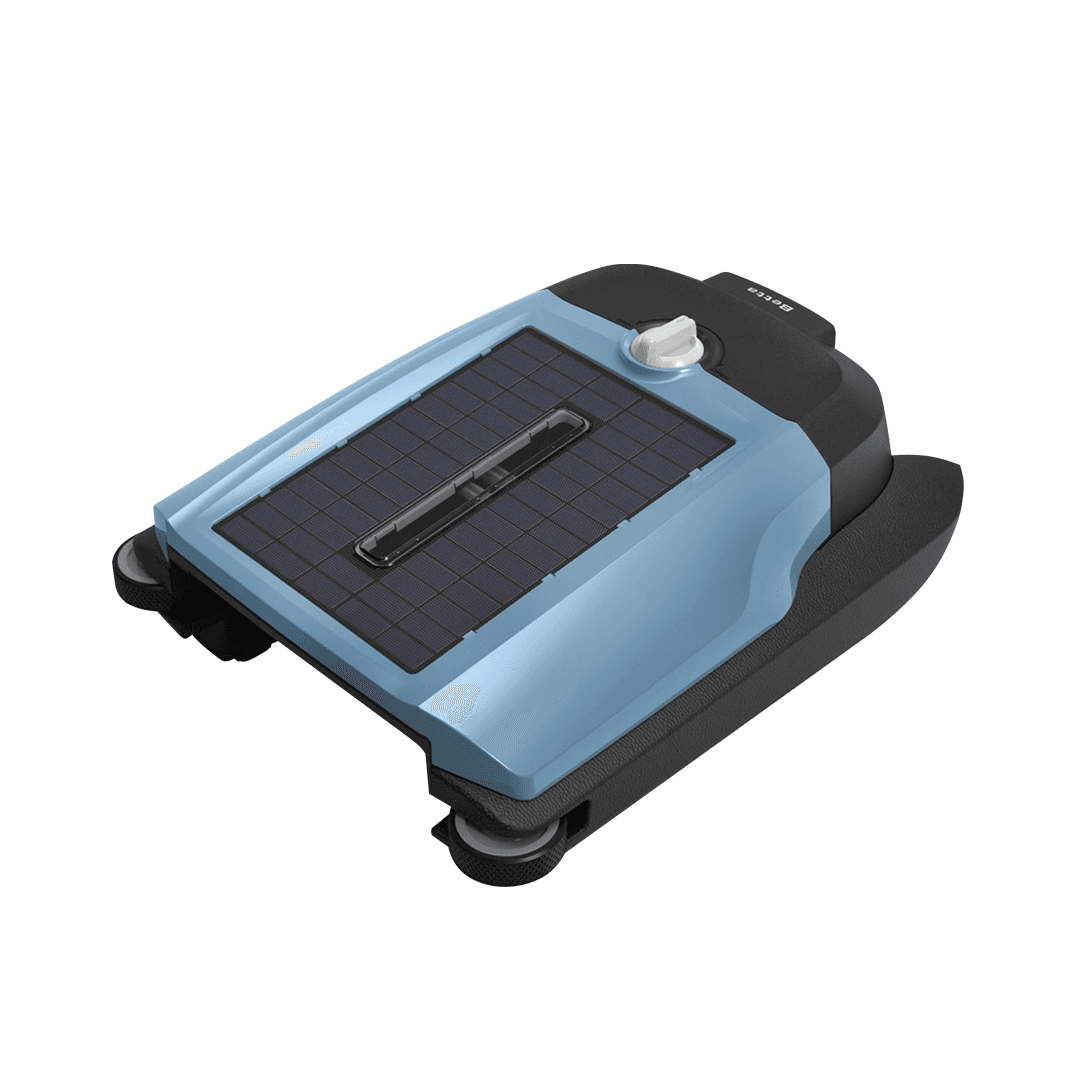
Robotic pool skimmers are a quiet exception. The newest generation — and specifically the fully solar, fully cordless designs — actually run on the sun, do real work, and replace energy-intensive equipment without compromise. The Betta Flex is one of the cleanest examples of this category functioning the way it's marketed.
Why Solar Works for Pool Skimmers (and Not for Most Other Gadgets)
The reason a solar pool skimmer can actually deliver on its premise comes down to physics. Most solar gadgets fail because the device's power draw exceeds what a small panel can provide, and the gap is hidden by a battery that has to be recharged from the wall anyway. The "solar" part is decorative.
A pool skimmer is different. The device floats on water, faces up, and is in direct sun for most of a typical operating day. The motors that drive the surface circulation are low-power — they don't need to climb stairs, lift weight, or generate heat. The duty cycle is naturally aligned with sun availability: cleaning happens when there's light, and the pool doesn't accumulate much debris overnight.
The math works out. A roughly 6-square-inch solar panel built into the top of a floating skimmer can comfortably power 30-plus hours of cleaning per full charge, with the battery acting as a true buffer rather than a hidden grid-power top-up.
What "Fully Cordless, Fully Solar" Actually Means in Practice

The Flex is one of the few skimmers that ships with no AC adapter at all. There's no plug, no charging dock, no extension cord that needs to snake across the deck. The device sits in the pool 24/7 — running in Eco Mode for periodic sweeps that match real debris accumulation, or in Normal Mode for continuous all-day cleaning during peak season.
For households trying to reduce the number of plugged-in devices on their property, this is meaningful. Many pool environments have a tangle of cords running from the equipment pad — pump, heater, lights, automation controllers — and adding a skimmer that requires no electrical infrastructure is a small but real net subtraction.
The Energy Cost the Industry Doesn't Talk About
Pool equipment is the second-largest household electricity consumer in many warm-climate homes (after HVAC). A typical variable-speed pool pump pulls 600-1,500 watts during operation. A traditional in-line pool cleaner adds another 200-400 watts. Manual skimming adds zero watts but adds 20-40 minutes per day of human labor — which, in carbon terms, is mostly fine but in lifestyle terms is the dominant cost.
Solar-powered surface skimmers replace some of the manual skimming entirely and reduce reliance on the in-line filter system for surface debris (since debris caught on the surface doesn't sink into the main filter). They don't replace the main pump — that's a different conversation — but they remove one of the secondary energy draws and one of the recurring chores.
Specs Worth Knowing
The Flex uses twin Silent Clean Technology motors compatible with both saltwater and chlorine pools. The body is UV-resistant — important for any device that lives in direct sun for months at a stretch. The casing is soft-touch for pool liner protection. The unit is compatible with in-ground, above-ground, and infinity-edge pools.
There's no app, no smart hub, and no Wi-Fi connection. For users who want app control, Betta's higher-end Neo adds those features. For users who specifically want the simplest, lowest-tech, lowest-energy version, the Flex is the model designed around that constraint.
Lifecycle Considerations
Three details matter for anyone evaluating a solar device on a sustainability basis:
Battery longevity. The Flex uses a lithium battery sized for the device's duty cycle. Like all lithium batteries, it has a finite cycle life — but because the daily cycle is shallow (the panel keeps the battery topped up rather than fully discharging it), real-world lifespan tracks the upper end of expectations for the chemistry.
Body durability. The UV-resistant body and soft-touch casing are explicitly designed for an outdoor, water-exposed environment. The most common failure mode for outdoor consumer products — sun-cracked plastic — is engineered against.
Repairability. Replacement baskets, brushes, and consumable parts are individually available, which is a meaningful contrast to sealed disposable consumer electronics. The device is designed to be serviceable, not discarded.
Where Solar Pool Tech Sits in the Larger Picture
The category is still small. Most pool owners still use a traditional in-line cleaner or pay a service to skim weekly. But the equipment is genuinely working — not just marketed — and that's a quiet shift worth noting. For households moving toward less electrically dense outdoor living, robotic surface skimming that runs on the actual sun is one of the few solar gadget categories where the premise and the product line up.
For anyone curious about what a working solar consumer device looks like outside of solar panels themselves, the Betta Flex is a useful reference point.