
Analysis
Seedance 2.5 Pricing, Access and How ByteDance's Model Works
Seedance 2.5 explained: ByteDance's 30-second AI video model, its API pricing, where to use it, and how it compares with Kling, MiniMax and Veo.
Jordan Wells · October 23, 2026
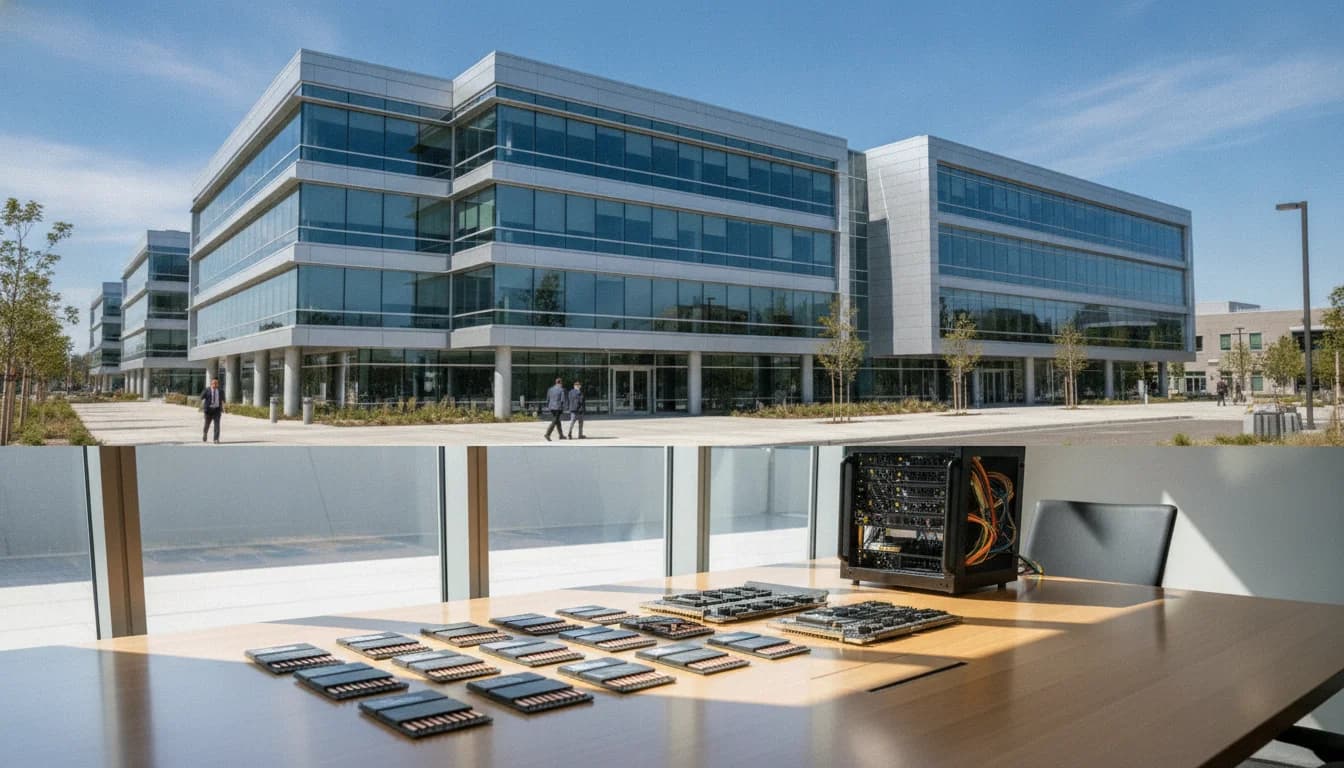
Stanford Tech Review provides an in-depth analysis of Tenstorrent's Series E funding and its significant implications for AI compute hardware trends.
By Amara Singh · October 26, 2026
Seedance 2.5 explained: ByteDance's 30-second AI video model, its API pricing, where to use it, and how it compares with Kling, MiniMax and Veo.
Jordan Wells · October 23, 2026
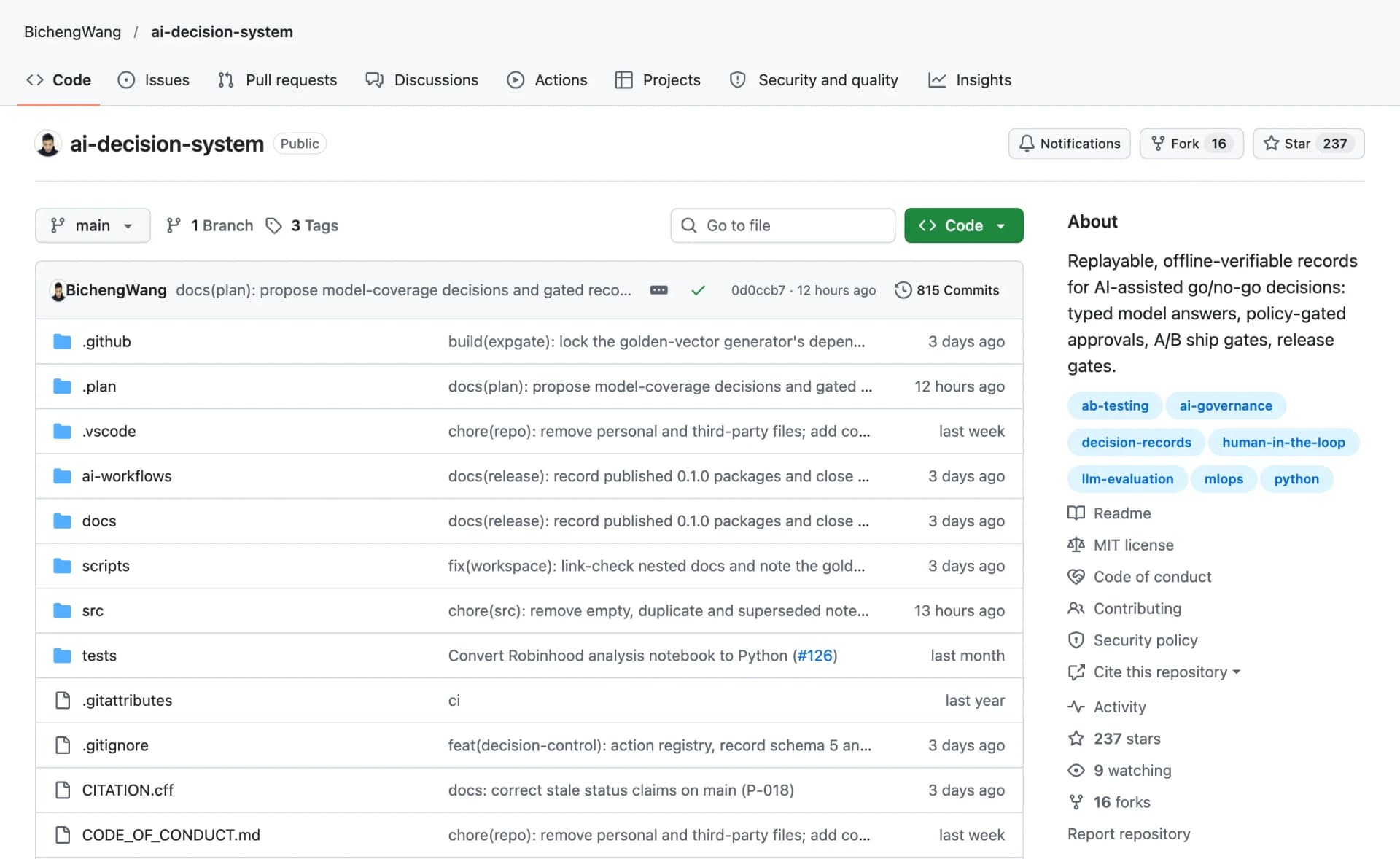
Two open-source projects, ai-decision-system and multi-agents, apply one rule to artificial intelligence: if a machine helps make a decision, someone else should be able to check it
Priya Raman · October 23, 2026
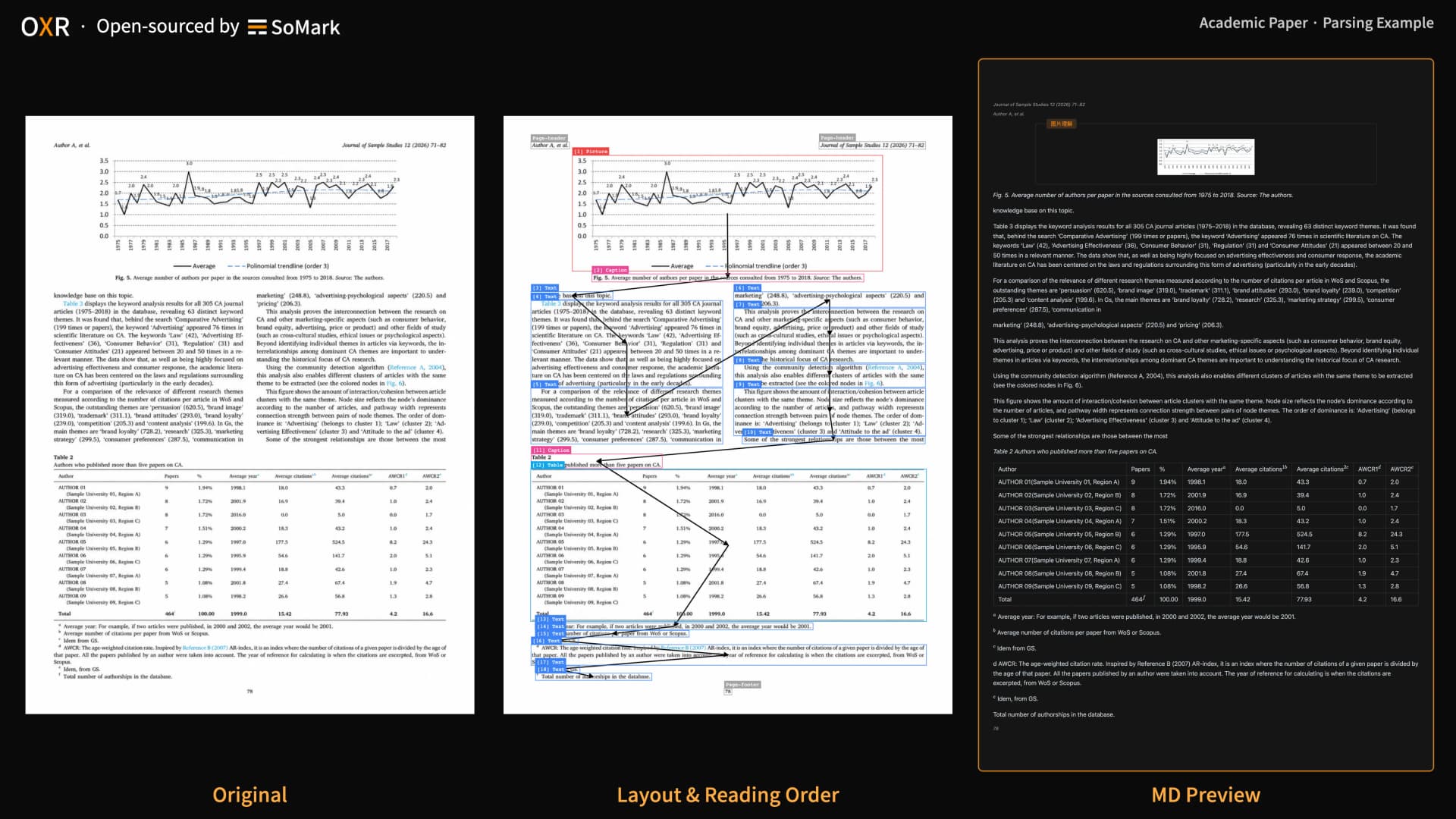
Parse a PDF into RAG-ready Markdown and JSON with OXR's free API and one CLI command, then move the same command to your own GPU server.
SoMarkAI · October 21, 2026
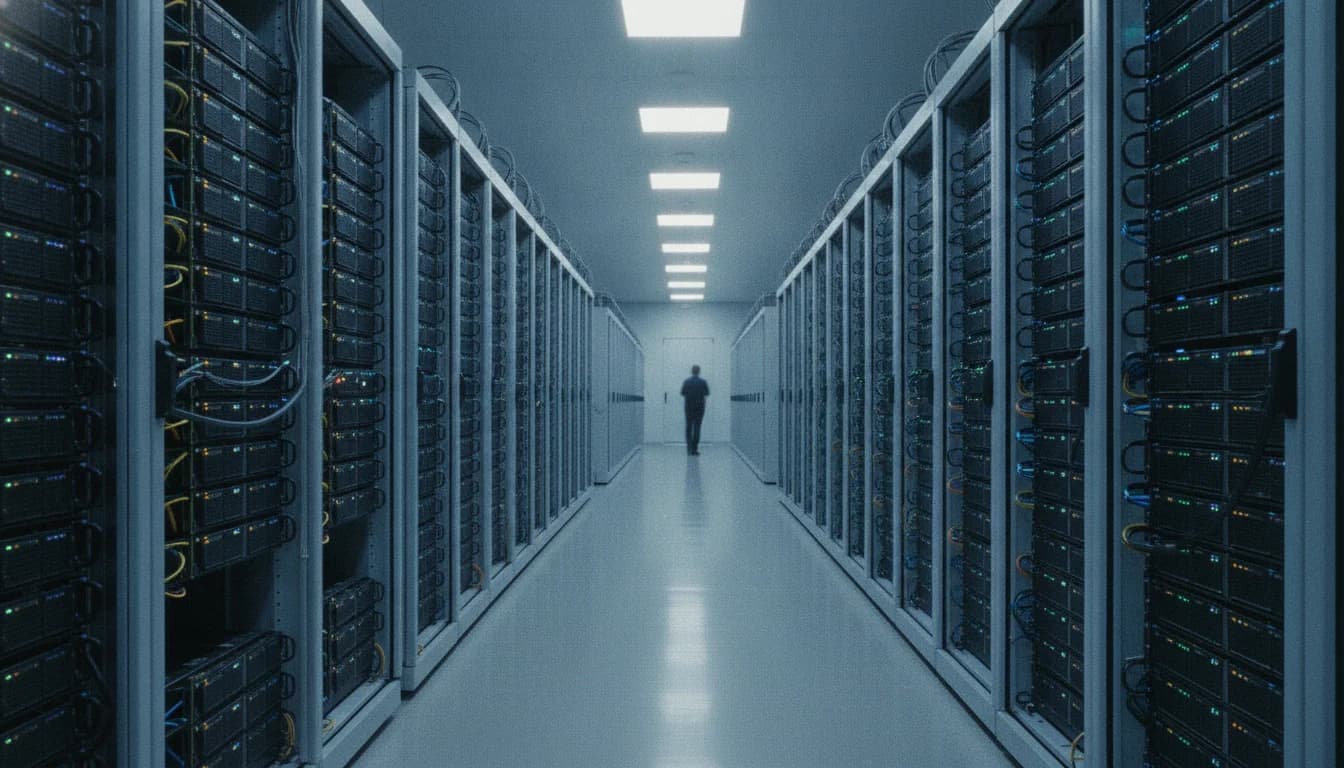
Stanford Tech Review delves into memory fabric for AI agents, exploring its significance and implications for long-horizon reasoning.
Nil Ni · October 19, 2026

For pool retailers and route operators, the fall appointment is where the surface-versus-floor expectation gets set. What leaf season teaches about selling a skimmer like the Betta SE Plus.
Daniel Reyes · October 18, 2026
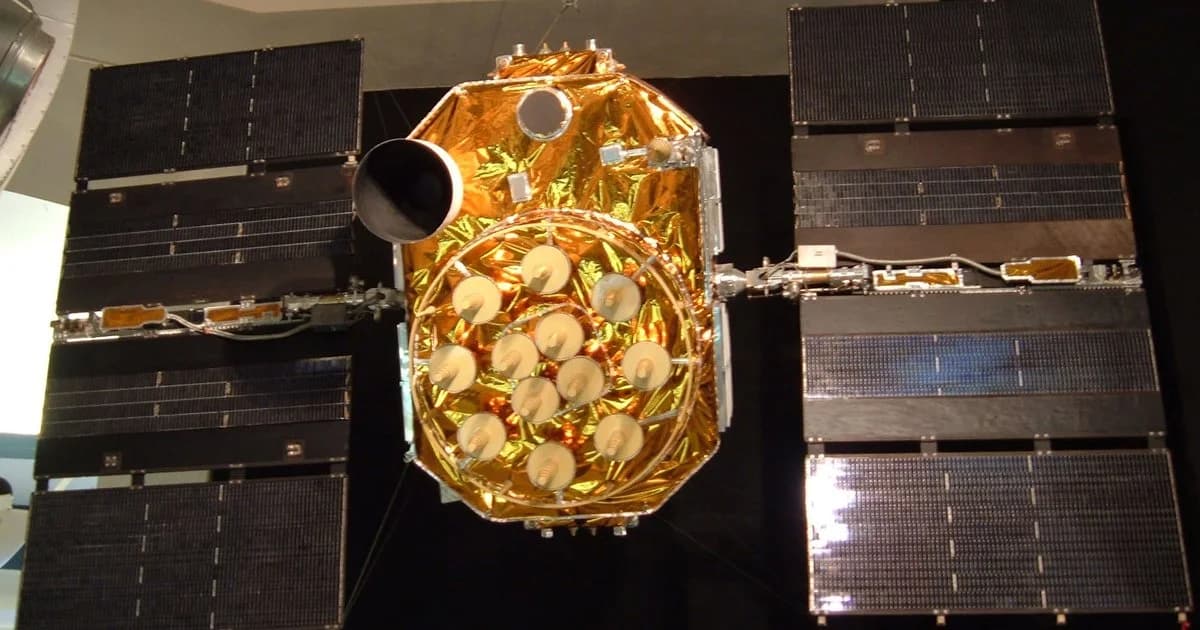
Seven peer-reviewed studies tested Google Maps Timeline against GPS. It captured 95% of places but only 32% of trips, and the on-device move changes research.
Daniel Reyes · October 17, 2026

A viral reading says the OpenAI Navier-Stokes plagiarism row was a misunderstanding. The dated record backs half of it, and the proof itself is still unconfirmed.
Elena Marsh · October 15, 2026
P(doom) is a personal guess, not a forecast, and "doom" has no fixed meaning. A better test — irreversibility plus loss of human agency — shows why the Matrix is a weak example, while misaligned, uncorrectable AI is the real risk.
Quanlai Li · October 14, 2026
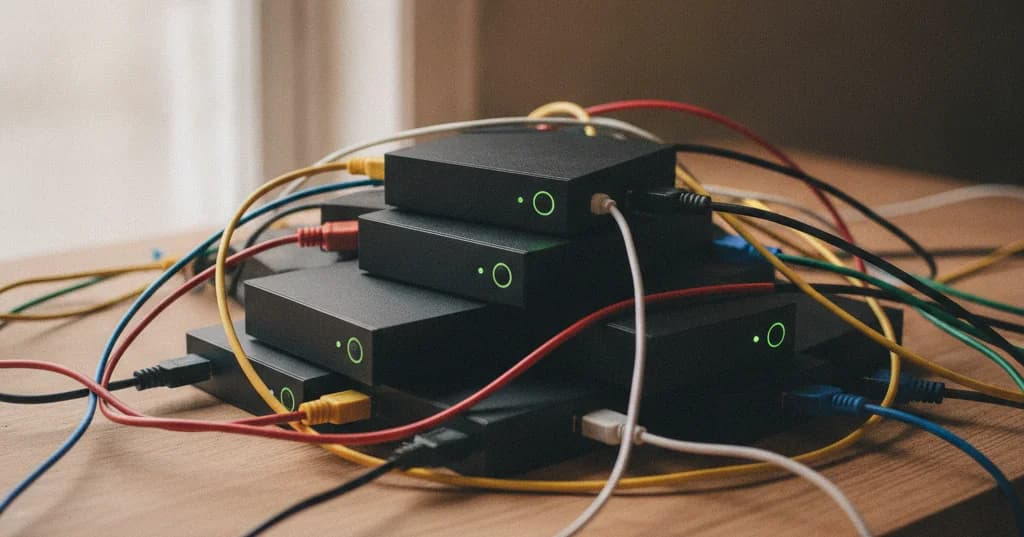
Anthropic's Frontier Red Team tested whether small open-weight models can copy themselves across cheap home IoT hardware. Only GLM-5.2 completed full replication across an 8-node fleet; every model small enough for a $55 TV box failed.
Marcus Feldman · October 13, 2026

California's seven data center laws transform energy consumption, water usage, and local governance with a data-driven analysis approach.
Priya Raman · October 12, 2026

A reply to Terence Tao's October 2026 'Math 2.0' thought experiment. Humans benefited from sex, fire, and aspirin long before understanding them; where Tao is right is narrower: a powerful optimizer can game the trial it was told to pass.
Quanlai Li · October 11, 2026
The AHM statement hosted on Terence Tao's blog says mathematicians did not ask for OpenAI's 700-file math release. On Tao's own blog, 53 of 103 comments rejected it.
Elena Marsh · October 9, 2026